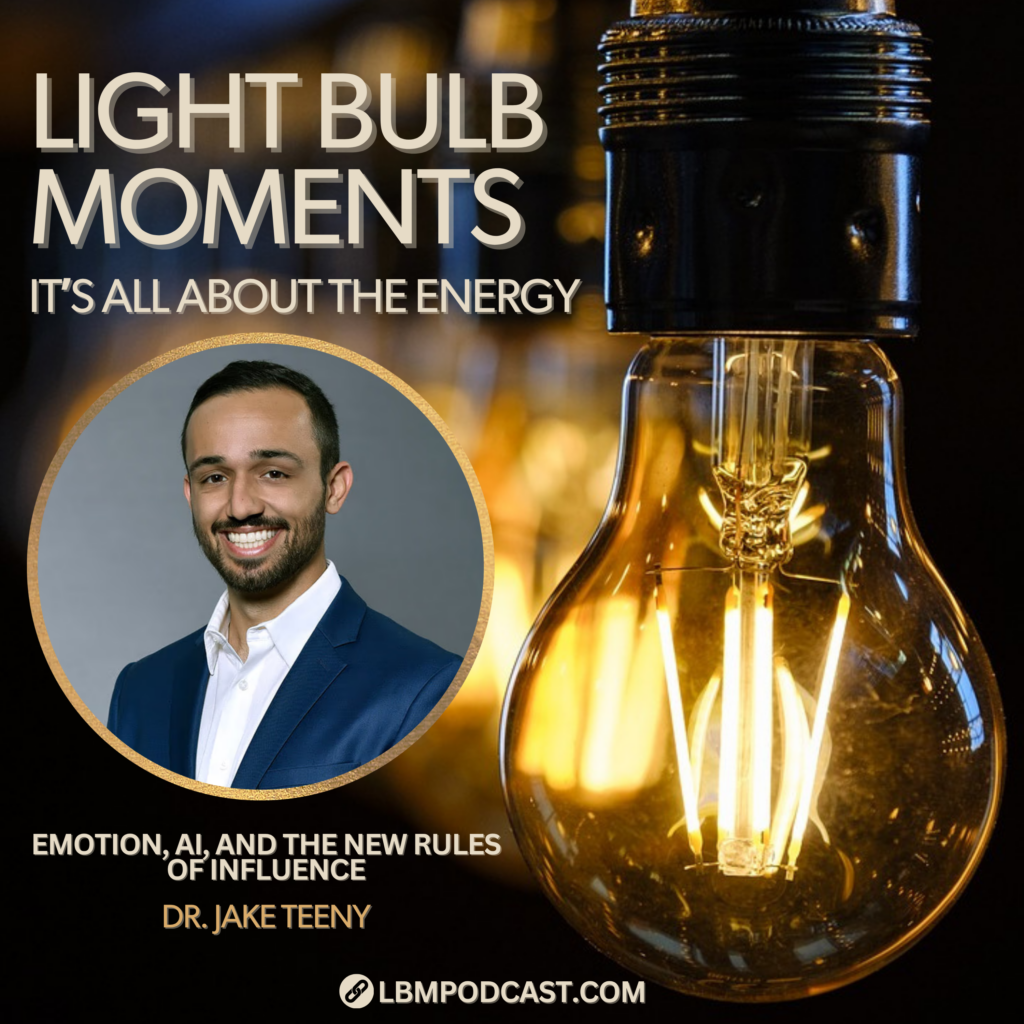
What happens when a persuasion scientist looks at AI, political polarization, and modern marketing through the lens of psychology? In this episode, we dive into how emotion, personalization, and intelligent machines are reshaping everything from our ads to our anxiety—and what to do about it.
Why This Episode Matters
This episode explores the intersection of emotion, psychology, and AI in today’s rapidly evolving world. It highlights the importance of human understanding, emotional awareness, adaptability, and perspective while embracing new technology. By reframing anxiety, staying curious, and using AI thoughtfully, individuals can navigate change more effectively and build stronger personal and professional connections.
In This Episode, We Discuss:
- Political polarization, conversation, and democracy
- AI’s role in persuasion, personalization, and social media
- Marketing, advertising, creativity, and hyper‑personalization
- Emotion regulation, anxiety, and reframing negative feelings
- Storytelling, emotional intelligence, and the power of psychology in business
Conversation Takeaways
- Political polarization is amplified by social media and smartphones, but many people’s beliefs are much closer to the middle than the extreme caricatures we hold in our heads.
- AI is currently strongest at analytics and targeting, while human creativity still leads in complex, compelling advertising and storytelling.
- Personalization works through self‑relevance, fluency, and deeper thinking—but when it crosses into surveillance or touches stigmatized identities, it quickly backfires.
- Emotion regulation strategies like reappraisal—shifting from “what if” to “even if”—can transform anxiety and stress into more manageable, even motivating, experiences.
- Emotional intelligence and an understanding of psychology often predict real‑world performance better than raw IQ, influencing everything from procrastination to leadership and team dynamics.
“Good marketing is good storytelling.” – Dr. Jake Teeny
Jake Teeny holds a B.S. in Psychology and Philosophy from Santa Clara University and earned his M.A. and Ph.D. in Social Psychology from The Ohio State University. He is currently an Associate Professor of Marketing at Northwestern University’s Kellogg School of Management, where his research focuses on the science of social influence, exploring what makes messages more persuasive, why people share ideas, and how AI can personalize content to drive engagement. His work has been published in leading psychology and marketing journals, and he has contributed widely cited theoretical frameworks on influence. Beyond academia, Jake shares behavioral insights through his blog, Everyday Psych, and teaches MBA students, executives, and corporate audiences on topics such as persuasion, storytelling, and emotional intelligence. He is also an accomplished creative writer, with numerous short stories and screenplays featured in literary magazines and national competitions, continually bringing imaginative narratives to life across genres.
Light Bulb Moments – Episode 199
Emotion, AI, and the New Rules of Influence with Dr. Jake Teeny
The Light Bulb Moment of This Episode
Instead of asking “What if?” ask “Even if.” Reframing uncertainty and emotion changes how we approach challenges, growth, and opportunity.
Light Bulb Moments & Reflections from the Episode
- Keep talking to people, even in difficult environments.
Open communication helps create understanding and perspective.
- People are often less extreme than they appear.
Listening and engaging respectfully can reduce division and misunderstanding.
- Human input still matters deeply in the age of AI.
Technology is advancing rapidly, but human insight and collaboration remain essential.
- AI is powerful, but it still has limitations.
Understanding where AI succeeds and where it struggles is critical.
- Approach AI one step at a time.
Trying to master everything at once can become overwhelming.
- Maintain a foundational understanding before relying on AI.
Knowledge and critical thinking should guide how AI is used.
- Use AI as a collaborative tool.
AI can help generate first drafts and ideas, but human judgment remains important.
- Procrastination is often connected to emotion.
Emotional responses can influence habits, delays, and productivity.
- Light bulb moments can come from unexpected experiences.
Small moments and observations can shape long-term passions and careers.
- Psychology influences nearly everything.
Advertising, persuasion, emotional intelligence, and decision-making all connect back to psychology.
- Give consumers creative currency.
Creating engaging and meaningful experiences helps build stronger connections.
- Reframe anxiety as excitement.
Changing perspective can transform how challenges are experienced.
- Replace “What if?” with “Even if.”
Focusing on resilience instead of fear changes how people approach uncertainty.
- Shift your perspective when stress builds.
Stepping away and resetting mentally can create clarity and calm.
- Sometimes the best solution is to simply take a walk.
Small breaks and movement can improve thinking and emotional balance.
Connect with Dr. Jake Teeny:
Website: https://everydaypsych.com/
Connect with Me:
Website: https://www.fornarolaw.com/
Podcast Website: https://lbmpodcast.com/
Pinterest: https://www.pinterest.com/philipfornaro/
YouTube: https://www.youtube.com/@fornarolaw3002
LinkedIn: https://www.linkedin.com/in/fornarolaw
Instagram: https://www.instagram.com/fornarolaw/
Facebook: https://www.facebook.com/FornaroLaw
Podcast Production by Turnkey Podcast. Thinking of starting a podcast? Get more info at https://turnkeypodcast.com/ or reach out to Doug Sandler directly at Doug@TurnkeyPodcast.com or call 410-340-6861.
You’re the expert. Your podcast will prove it.
📚 Dr. Jake Teeny’s Reading Recommendations
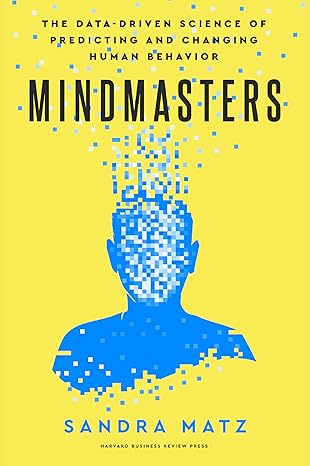
– Sandra Matz
Recommended by Jake Teeny